The Acoustic Panel Industry: Trends and Outlook
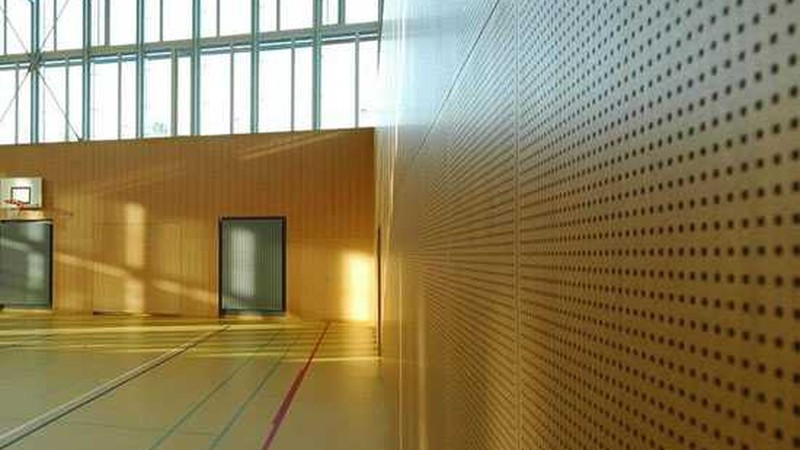
In recent years, as awareness of building acoustics and noise-control requirements in public buildings has risen, the acoustic panel industry has moved from largely custom engineering toward standardized, serialized products. Polyester fiber, ceramic aluminum perforated, wood wool, and fabric soft panels form the mainstream lines, serving decorative interiors, high-fire-rated spaces, and industrial acoustic settings.
On the demand side, schools, hospitals, stadiums, transport hubs, and retrofit of existing buildings are relatively stable downstream markets. Green-building-material policies and indoor air-quality standards have made E0/E1 environmental grades, A2/B1 fire ratings, and recyclable materials key competitive dimensions for suppliers.
Technically, several trends are visible: standardized testing, with reverberation-chamber absorption (GB/T 20247, ISO 354) and sound-insulation measurement (GB/T 19889) reports becoming standard in bidding; composite products combining perforated panels with soft or aluminum/wood facings; and prefabricated installation using clip and keel systems to shorten schedules.
Looking ahead, as urban renewal and acoustic retrofits of existing buildings progress, demand for mid-to-high-end products combining absorption, fire safety, environmental performance, and decoration is expected to grow. For buyers, focusing on test reports, material grades, and detailing reflects real value better than unit-price comparison alone.
— Mushu Wood Wool Acoustic Panel