Sound Absorption vs. Sound Insulation: Key Differences
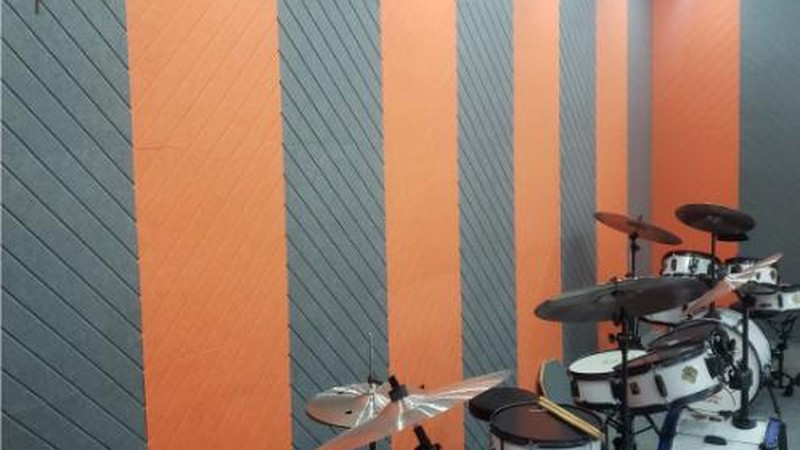
Sound absorption and sound insulation are two concepts often confused in building acoustics but based on different principles. Absorption acts on sound already inside a room, converting acoustic energy into heat through porous materials to reduce reverberation and echo; insulation acts on sound transmission between two sides of a wall, using mass and sealing to reduce sound passing through.
The metrics differ. Absorption is measured by the sound absorption coefficient α and Noise Reduction Coefficient (NRC), where higher values mean more absorbed energy; insulation is measured by weighted sound reduction index Rw, in decibels (dB), where higher values mean a wall blocks sound more effectively. Absorptive panels mainly improve the former; heavy partitions, doors and windows mainly handle the latter.
The two are also related. Good insulation reduces external noise entering, while sufficient absorption lowers indoor reverberation so the sound that does arrive is easier to distinguish. In loud spaces like drum rooms and studios, insulation construction (double walls, vibration isolation, sealing) is usually done first, then absorptive panels control reverberation—both are needed.
A common mistake is thinking that covering a wall with absorptive panels blocks noise from a neighbor. Even fully covered, a thin wall gains limited weighted sound reduction; to significantly reduce transmitted sound, extra wall mass, vibration isolation, and sealing are required. Absorption fixes a room's loudness and echo; insulation fixes sound leaking through from next door.
— Mushu Wood Wool Acoustic Panel