Pairing Wood Wool Panels with Wood Joinery in Japanese-Style Interiors
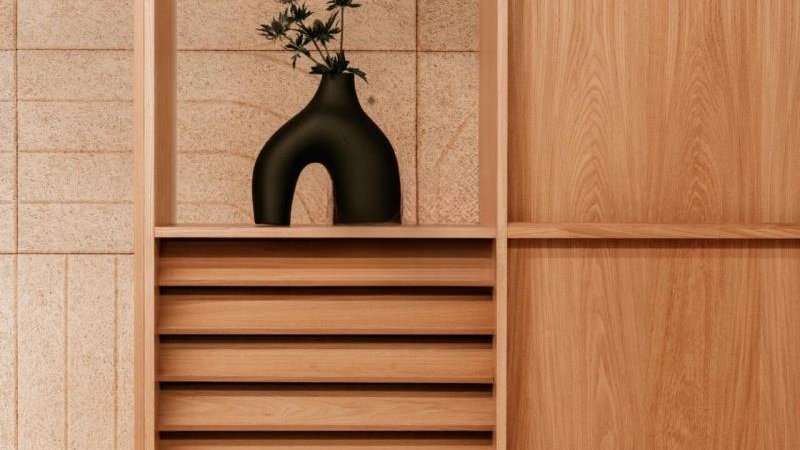
Japanese-style interiors emphasize material honesty and natural texture—exposed wood slats, micro-cement walls, and solid-wood furniture are typical elements. Wood wool panels, with their natural fiber character, align closely with this aesthetic and have become popular in tea rooms, ryokans, Japanese restaurants, and Japanese-style offices.
Material Harmony
Light oak, ash, and hinoki tones common in Japanese design sit naturally alongside the natural wood color of wood wool panels. Using panels as background walls or nook linings creates visual continuity with adjacent wood shelves, cabinet doors, and grilles, avoiding a fragmented feel between materials.
Typical Pairings
In Japanese display alcoves or shelving backgrounds, wood wool panels serve as a neutral backdrop that highlights ceramics, flower arrangements, and art objects. Some projects combine panels with vertical wood grilles: the grille provides decorative rhythm while the panels behind act as absorption layers, delivering both visual layering and acoustic function.
Acoustic Benefits
Japanese interiors often feature wood flooring, shoji screens, and stone surfaces—all weak absorbers. In tea rooms and restaurants where quiet is essential, a wood wool feature wall can bring reverberation time to around 0.5 seconds, softening the clink of tableware and low conversation.
Construction Notes
Panels should be field-measured and cut after woodwork dimensions are finalized to minimize on-site dust. Leave 2mm natural joints between panels and wood trim to echo the Japanese concept of ma. Fix panels primarily with structural adhesive plus hidden fasteners to keep the face nail-free.
— Mushu Wood Wool Acoustic Panel