Typical Applications of Wood Wool Acoustic Panels
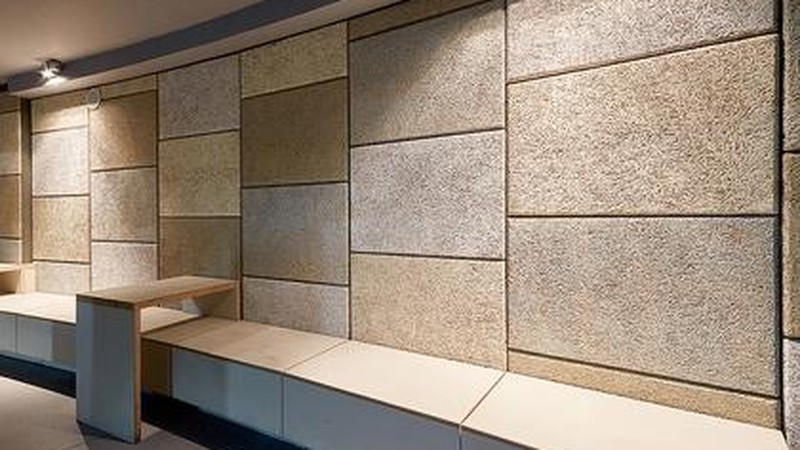
Wood wool panels serve public spaces that need both acoustics and decoration. In theaters, concert halls and lecture halls, boards are usually placed on side walls and ceilings; together with upholstered seating and stage reflectors, they hold mid-band reverberation around 1.0–1.6 seconds.
In large venues such as gymnasiums and swimming pools, the boards' impact resistance and humidity tolerance (up to 85% RH) make them common on ceilings and upper walls, cutting the long reverb from bouncing balls and crowd noise. Schools and libraries use them on rear walls and ceilings to shorten the reverb tail that affects speech clarity.
Meeting rooms, multi-function halls and open-plan offices often choose light-coloured painted boards, balancing noise control with interior style. Recording studios and broadcast rooms add an air cavity with glass wool behind the boards to build a composite absorber. Restaurants and showrooms use hexagonal or slatted shapes as feature walls.
Thickness and colour choices vary by use: speech-driven spaces prefer 25mm boards for better mid-low absorption, while decorative feature walls can use 15mm boards with coloured finishes. Installation area and detailing should follow the acoustic design drawings.
— Mushu Wood Wool Acoustic Panel